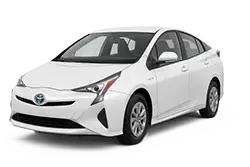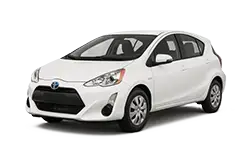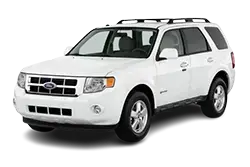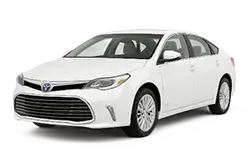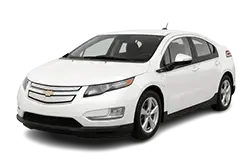
Prompt, quick, professional service. So much cheaper than getting another car. I would highly recommend their service to anyone who needs a hybrid battery replacement.

Chris Walker
January 2, 2025
Lisa Tufano
January 10, 2025
Ellrick Garcia
February 13, 2025



Why pay more at the dealership? At Greentec Auto, we offer affordable, accessible and reliable hybrid battery replacements at up to 50% less than dealership prices without compromising on quality. Get the best value with expert service, mobile installation, and a warranty you can trust.
Battery pack overview. So, this is a Tesla Model S 85 kWh battery pack. A lot of people think, “Oh, it’s just one big battery.” It’s actually not the truth. So, here you have 16 individual modules throughout the battery pack. In each module, you have cells. So each module has 444 cells. Times that by 16, according to my calculations, that’s 7,104 cells inside of the whole battery pack itself.
And although they kind of look similar — like a 75 and an 85, a 90 and 100 — there are a few small differences. So imagine you and your friend, you both own, let’s say, a Tesla Model S, but one of you owns a 75 kWh and another owns a 100 kWh battery pack. The price range for the battery is going to be drastically different, but it’s not going to be drastically expensive if you take the tip that we give you at the end of the video.
But while we’re here, let’s talk about each individual module itself. So, as I said, 444 cells, and you’re going to have the temperature sensor right here, which manages the temperature of the battery. And the cool thing is, a lot of batteries just have one big BMS. Tesla did it very differently. So each module has a BMB, which communicates to the battery itself and measures voltage and the temperature of the battery, which communicates to the big motherboard, the BMS. So I’m going to say that one more time. You have BMBs on the module and you have the BMS which collects all of the data overall.
So there are companies that do EV repair or Tesla repair. The problem with that is what they do is, like, okay, they’ll say this module is bad — let’s just go ahead and replace that, right? Let’s just go ahead and put a band-aid on my broken arm, but that’s not a solution. Sometimes you need surgery, as you can tell, right? So you want to look for a company that is fixing the common problems in all the modules. And you want a company that doesn’t just pass over the small stuff. Make sure they do the following things. Number one, corroded capacitors on the BMS — the protective coating wears down, allowing moisture damage. Number two, voltage tab corrosion — tabs can break loose, requiring specialized repair equipment. Number three, faulty umbrella valves allow moisture inside, which can trigger the above failures.
Okay, and look at these cool black things that go all along through the battery. And as you can tell, if you look inside, they actually go inside the module. Well, why did they go inside the module? Let me inform you. So what this is actually doing is it’s cooling down the battery. So yes, you’re sending liquid inside of the module itself, and it can either be warm or cool. It’s called coolant, right? Coolant goes through the full battery itself to make sure everything’s a good temperature, because batteries fail in the heat — they overheat. So for a Prius, for example, you’re going to have a fan and the fan cools it down. They don’t have coolant flow. But for EVs, especially Teslas, they made it a lot more advanced where cooling is an easily accessible system.
So we’re definitely not paying Tesla $20,000. But let me tell you, when looking for a company, what to look for. So as I said before, you want to find someone that fixes — and maybe even write this down — the common problems in all of the modules, right? You don’t just have cells, you have temperature sensors, you have a BMB. There’s so many different components, right? That’s number one. Number two, don’t find a company that just repairs or replaces one module. Find a company that takes all of the modules out and cycle tests the modules to make sure the capacity is balanced throughout the whole battery.
So my biggest concern is I live in an apartment complex. So I wanted to find a battery replacement company that could still enable me to supercharge. I read a ton of stuff online that says, “Oh, you can’t supercharge when you get your battery replaced from an aftermarket company.” And that is true for most aftermarket or repair companies. But I did find a solution that I’ll tell you about at the end of the video.
But also something interesting is you can also upgrade your battery. So if you have a 75, you can upgrade to an 85, to a 90, to a 100 kilowatt hour pack, which not just increases the kilowatt hours — you’re increasing the range of your car itself. You could increase the performance of the car itself, but also you’re decreasing the amount of charging time it takes.
So basically for the installation itself, it’s actually pretty simple. What they do is they take the car up, they put it on the lift, they lift it all the way up, and then they drop the battery out from the bottom of the car, they put it away and do whatever they do with the battery, and they grab a new battery — the one that I’m getting — and they put it inside of the car. And then that’s basically it for the battery part. But then they have to program the new battery to the car. For example, mine’s an 85 kWh and I wanted to upgrade to 100 kilowatt hour because I kind of wanted some more range. So the computer has to understand how much range it’s getting, right? So they have to program the new battery to the car, and then also what Greentec does is they cycle test the car, which means they take it on two to three full charging cycles to make sure it’s actually getting that range.
So I did promise you that we would tell you something that’s going to save you up to 50%, and I do keep my promises. So we’re going to get to that right now. The company I work for, Greentec Auto — some of you who’ve been looking at me have probably been seeing this on my shirt, like, what does Greentec Auto do? So we’ve been specializing in hybrid and EV battery replacement since 2012. That’s basically over 13 years of specialized experience in this business. We started off with Priuses, simple batteries like that. But now, as you can tell, we have over 240 different types of batteries all around our warehouse that we sell. We have Tesla Model S’s, Tesla Model 3s working all day long. And if you click the link in our bio, greentecauto.com, you’ll see all the different models of batteries we replace, different kilowatt hour batteries, and also if you own a Model 3, you could see standard, long range, performance, whatever it is. And we have 34 locations across the United States where you can come by and get the installation done in a matter of no time. So hope you guys enjoy.
I’ve owned this car for more than 5 years now. When I purchased it, I thought the price that was on the car was the last thing I ever had to pay for. I thought I never even had to look at a gas station again. I would never have to go to one. But I was wrong. This car has cost me way more than I thought. Okay, so if you’re thinking of buying an EV or you already own an EV, I’m going to give you all the information that I wish I would have known earlier.
So, this is my Tesla Model S. I’ve owned it for just about 5 years now, and I’ve put a pretty decent amount of miles on it — I’ve got 200,000 miles on it. And the main reason why I bought the car is I was spending 800 bucks every single month on gas, and I didn’t even want to have to see a gas station ever again. So, I kind of just wanted to wake up with the car charged. I’m like, you know what? I’m just going to go buy an EV. And as well, a big thing is how it drives. Like as you can tell right now, we’re going pretty fast and you can barely hear anything. You know, my first time in the car, I was like, “Dude, this thing feels like a spaceship. I’m able to drive fast and it’s literally like a spaceship — you can’t hear a single thing in here.” What’s also great that I really like is the regenerative braking, right? Because with a gas car, you’re always gassing, gassing, gassing, gassing. With EVs and also hybrids as well, you get that regenerative braking where every time I put my foot on the brake, it’s charging up the battery to hold more charge. So that’s also a really good feature because I live in an area where there’s not a ton of highway. We’re on the highway right now, but it’s usually kind of a stop-and-go situation. So, in places where I could just stop and charge up the battery through regenerative braking, that was really what I was looking for. That’s a big reason why I bought the car.
As I was saying, a big factor for me buying an EV was charging, right? I could literally just wake up and the car was fully charged, ready to go. With gas cars, I’m a pretty busy guy — you have to go to the gas station, you have to manually go and fill up your car. With EVs, I could get off work, go home, put the charger in, boom, wake up the next day fully charged. And that’s what I really liked about it. And I felt also good about kind of adapting to the future, until the first thing really hit me.
So here right now we have 30 chargers all lined up right here. So for me it’s easy to go charge my car — I have one by my house, one by the gym, one by work. For me it’s super, super easy. But for most people, they don’t have access to this many chargers in their area. So what happens if you don’t? I’ll give you an example. The other week I was headed to my parents’ house. They live in the country and they live pretty far away, and there wasn’t an EV charger within a 30-mile radius of their house. No, don’t worry — I didn’t get stranded. But that just shows that if you live that far, you really have to plan your trips, plan how long it’s going to take to get there, plan how much charge you’re going to have after. So that is kind of another downside, for example. So let’s go charge the car real quickly and then we’ll go back and talk about another hidden secret that most people don’t talk about.
So the next thing is insurance, right? So insurance for EVs or even Teslas, for example, is 20 to 30% higher than a regular gas car. So for my Tesla, I bought insurance for the car like every other car — 20 to 30% higher than my gas car before. And then later on, we had an issue happen to my car, which I’ll talk about later, with the battery, and they didn’t cover it. So I had to buy another insurance policy for the battery itself, which I probably should have thought about — covering the battery — because I’m literally around batteries all day. I mean, this is 250 Tesla Model S batteries right here alone. So that was a big expense that I probably should have looked ahead and really thought about before. But if you’re buying a Tesla or you’ve got a Tesla, make sure the insurance policy you go with covers the battery, because Tesla can charge up to 20 to $25,000 for the replacement itself. Obviously there are some more affordable options out there, but that’s something to really be careful about, because the last thing you want is to have two insurance policies for the same car.
Okay, so the next thing is tires. Okay, so as you can see, this is a Tesla Model S right here. And because of the weight of the Tesla itself — obviously the car is pretty heavy, but the battery is extremely heavy as well — so all that weight on top of tires, and especially how people drive, they just like to gun it, gun it, gun it. Tires wear off really fast. And mine went bad — I think after the first year, I had to get all four of them replaced. So that was another expense. And at this point I’m like, I kind of missed the only thing to worry about being oil changes.
All right. So the next thing is battery cost. Chris, so this battery itself, how much does it cost?
This exact model, it’ll be roughly around 20 grand — from Tesla.
From Tesla. Okay. Yeah. So this is a big thing that a lot of people don’t consider. They buy a Tesla, they like the speed, they like the look, they like the technology in it, but they don’t consider the batteries inside, right? So battery costs are one of the biggest things to worry about, because it’s just a matter of time before they go bad. On average, you know, people say online they’re going to last 10 to 20 years, but we’ve seen that at that 8 to 10 year mark — almost the same as a hybrid vehicle — is when they start to fade. A big thing that people also don’t consider is, you know, for a Prius, for example, people only come to get the battery replaced when it’s bad. But for Tesla, you’re experiencing range loss. And when someone used to get, let’s say, 300 miles or 200 miles, now they only get 100 or 150 — they want to get a new battery because they’re getting half the amount of range, right? And with gas cars, that’s not a problem. It’s not like your fuel tank capacity goes down over time. You’re able to fill the car up the same as you used to, right? That’s kind of another downside that not many people talk about.
And also, there’s so many components to the battery itself. Let’s go actually look at a battery and let me show you how many moving parts there are underneath the top of the case. So this right here is a Tesla Model S 100 kWh battery pack. So if this is the battery that’s in your car, this is what it actually looks like with the case cut off. Okay? So there are 16 modules inside this battery pack itself. You’re going to have 516 cells per module, right? So you have the full battery pack, then you have modules, and then you have cells inside the modules. Okay? And then what’s super interesting about Tesla is there’s so many things that can go wrong, right? The battery is great, the car is great, but there are so many moving components. You have voltage sensors, you have temperature sensors, you have your BMS, right? And another cool fact is each module has its own BMB. So the BMB is taking the voltage and the temperature of the module itself, and each of these modules has a BMB, and it feeds it all back here to the BMS. So the BMS is actually taking 15,000 data points every single second. So if your Tesla has self-drive and you’re sleeping, this thing’s working a lot harder than you are.
Thank you for watching today’s video, and I hope you guys took away the four keys, which is battery cost, insurance, charging, and surprisingly, tires. Okay, make sure you consider those four things when buying an electric vehicle, especially a Tesla.
And if you guys stuck with me through today’s video, I do have a present for you. If you use coupon code GTAI, you’ll get $350 off for not if, but when your Tesla battery goes bad. And who are we? We are Greentec Auto. I was going to get one of our sales representatives to talk to you, but they’re all kind of busy on the phones right now. We’ve been around for 13 years replacing hybrid and electric car batteries. We started off in Sacramento, California. Now we have 34 locations across the United States. We’ve probably sold over 2,000 Tesla batteries nationwide. But we don’t just sell batteries — we sell peace of mind. Our Tesla battery comes with a 48-month, 50,000-mile warranty so you can drive with confidence. Again, thank you guys for today’s video and I hope you guys enjoy.
Tesla just quoted you $20,000 to replace your battery. You went online and you found out there’s tens of thousands of people just like you. Now you’re wondering, do you sell the car? Are you going to have to buy a new car or EV just one big scam? I’m Jax from Green Tech Auto and unlike Tesla who’s in the business of selling cars, we’re in the business of selling battery. Not only will this video save you thousands of dollars, but when you finish watching this video, you’re going to know more about your Tesla battery than people who claim to work on them. First thing we need to do is we need to drop it out of the car. So, we’re going to go do that right now. Take a look how it’s done. Okay, so this is what the Tesla Model 3 battery looks like right in front of us. You’re going to have four long modules across the battery pack. So, what actually causes Tesla batteries to go bad? This is where a lot of bad assumptions start. Battery failure doesn’t usually mean the whole pack is done. One of the biggest factors is temperature. Prolonged heat accelerates chemical degradation. While extreme cold limits how safely the battery can accept or deliver power, that’s not software, it’s chemistry. which is why Tesla uses preconditioning and why ignoring it, especially in winter, can shorten your battery’s life. Charging habits are another major factor, which we’ll talk about later. For nickelbased NMC batteries, regular charging to 100% increases degradation, which is why Tesla recommends lower daily limits. However, new LFP batteries handle full charges much better. Driving behavior matters, too. frequent or hard acceleration and breaking adds stress over time. And sometimes failure also comes down to a simple weak component, like one bad cell group limiting the entire pack. Which is why a failed battery often isn’t completely dead. It’s just constrained by its weakest part. Here’s what most people get wrong. There isn’t just one Model 3 battery. There are three fundamentally different pack configurations. And which one you have changes everything. The long range and the performance versions use a 2170 cell pack made up of four long modules arranged lengthwise containing 4,416 cylindrical cells in a 96 series 46 parallel layout. in the early standard range keeps that same structure but drops to 31 cells in a parallel group reducing the total count to 2,976 cells and lowering capacity without changing the overall architecture. Also, the newer standard range LFP pack is completely different. It still uses four modules, but instead of thousands of small cylindrical cells, it uses large prismatic cells instead with around 106 total in a 106 series configuration. That means different chemistry, voltage, behavior, and charging characteristics. Compared to the older systems like the Model S with thousands more smaller cells spread out across many modules, the Model 3 design is more integrated and efficient but also more dependent on the health of each group since the entire pack is limited by its weakest section. Okay, so now let’s talk about the BMS which means battery management system which is actually located inside of the battery pack itself and it acts as like the brain of the whole battery. And then also something interesting is on each module itself, you’re going to have something called BMBBS, which means battery monitor board. And the BMB measures things like voltage and temperature and sends the data up to the main BMS with the key difference being that the BMBBs are just collecting raw data while the BMS is the decision maker that processes everything and controls the whole battery pack itself. So the BMS is continually monitoring grouped cell voltages, current flow, temperature, distribution, and safety conditions in real time. And it uses that data to actively control charging, discharging, thermal management, cell balancing, and high voltage connections to keep the battery operating safely, efficiently, and within its limits. Okay, so we’ve talked about why these Tesla batteries actually fail, the truth behind it. We’ve took the lid off and discovered what’s internally happening inside the battery. We did a deep dive on the BMS and what’s happening there. Now, we’re going to take one of our new batteries, install it inside of the car. Our technician is going to program the car, and then we’re going to go to a charging station and tell you some information that a lot of people may ask you about, but most people don’t really understand truly. So, one of the biggest questions I see online is why does the charging rate taper after it goes to 80%. Right? Cuz it charges to 80%, then after that it takes super long to charge. I want to give you a quick analogy. So, we’re in a parking lot right now, right? And we see that there’s empty spots and there’s spots where there’s car. So, this is how it is. When you plug in the car and let’s say your car is at 0%, like the charge is nothing, it’s going to be easy for these lithium ions to find a parking space. And the more full the parking lot gets, if there’s no cars in the parking lot, it’s easy to find a parking spot. If the parking lot is 80% full, it’s hard to find a parking spot. It’s going to take longer to find a parking spot. And that’s equivalent to it’s going to be harder for these lithium ions to find a home inside of the battery. We’re actually at our Kansas City facility right now. This is our main facility, our main distribution center in America. We have 34 little shops across the United States. But I want to go take you inside right now and show you how many Tesla batteries we really have and what the operation looks like for the remanufacturing of these batteries. We’re actually at our Tesla operation right now. What you’re looking at right now, this is only half of our operation. We have everything from Model 3s to Model S’s. We have Model 3s from standard longrange or performance. We’re the biggest distributor and seller of Tesla batteries overall. Not just in America, not just in North America, but in the whole wide world. Back to the Model 3. I want to touch on something super important because, you know, it’s not a matter of if, but when your Tesla battery goes bad, right? And here’s something you need to watch out for. A lot of places, they offer repair, but they don’t offer replacement. Repair is like, okay, you know, there’s four modules inside this battery pack, right? This is the bad module. Everything else is okay. Let’s just go ahead and replace this module. let’s just go ahead and put a band-aid on your broken elbow. It doesn’t work like that. What we do here is we’re taking all of these batteries out and then we’re testing them and we’re going through each individual module and doing testing on each one. And let me show you how this would look on the Model S. Okay, so for the Model S, this is a kind of a better example cuz with the Model 3, you kind of have that foam over top of it. But right here, we can actually see the modules itself. So for the Model S, what people would do is they’d be like, “Oh, okay. This is the bad module or the cells in this module that are bad.” and then they just go ahead and replace this module, you know, put the case back on and then they say, “Okay, you know, that’s it. Your day is over.” But what we’re doing here is there’s temperature sensors, there’s BMBBs, there’s thousands of parts in this battery, which means there’s thousands of things that can go wrong. We’re taking every single module out, and we’re going through our point checklist, going through each factor inside the module to make sure this isn’t going to just be a repair that’s going to set you up for the next 6 months to a year. We’re trying to give you a long-term solution. That’s where our warranties go up to four years. and our batteries are made to double those warranties. We’re going to go upstairs right now and I want to share one more secret on how this is going to save you thousands of dollars. All right, so we started this video off by talking about why these batteries actually fail. We took the battery out of the car, took the lid off, and discovered all the internal parts of the battery cell configuration, how the modules relate to the BMBB and the BMS, and then we took you over a bit of the whole replacement process. Now, for those who stuck with me through today’s video, I want to give you a coupon code GT T AI for $500 off for not if, but when your battery goes bad.
This man was quoted over $20,000 to replace his Tesla battery, but he paid us under nine. So, if you own a Tesla or you’re thinking about buying one, in today’s video I’m going to talk about five things Tesla will never tell you about battery replacement. [music] Let’s go check out some batteries and get straight into it. We have been replacing hybrid and EV batteries since 2012. On top of that, we have 34 locations across the United States, Canada, [music] and in the UK where literally all we do is replace batteries. And you might be thinking, how many batteries actually go bad in the first place? Well, the answer is a lot. And instead of just telling you, let me show you why. Right now, there are tens of thousands of Tesla about to hit the 8-year-old mark. That is the magic number. That’s when the battery warranty runs out, and that’s where the panic starts [music] to kick in. Because everywhere you look online, people are saying the same [music] thing. My Tesla battery died. Tesla quoted me $20,000. The car is totaled. I’ll never buy an electric car again. But here’s what nobody is telling you online. A dead Tesla battery does not mean your entire car is done. It does not mean you have to pay Tesla [music] $20,000. Tesla wants you to think there’s only one option, but there’s not, and I’m going to prove it. But first, let’s have a look at a Tesla Model 3 and a Tesla Model S battery just to get a better idea. This is a Tesla Model S battery pack, and this [music] is a Tesla Model 3 battery pack. Right away, you can tell they look different, but here’s what most people don’t realize. [music] Neither one of these is a single battery. These packs are made up of individual modules and thousands of individual cells working together. [music] The Model 3 and the Model Y, they have four long modules inside of the battery pack. But, going to the Model S and the Model X, depending on the year, has [music] anywhere from 14 to 16 modules. And each module has its own electronics, sensors, cooling lines, >> [music] >> and safety systems. And here’s the part that changes everything. Even if one section of this pack goes wrong, one weak module, one shortened brick, the entire car shuts down. Not because every module is dead, but because the computer won’t even let it run. Now, if you’re really interested and want to go deeper into the BMS and the BNB and the actual electronics inside of these packs, go watch our last video on the Tesla Model 3 battery. We break it down piece by piece. But, for now, just understand this. Your [music] Tesla battery isn’t one big thing. So, with all of these components inside these battery packs, it sparks the question, why [music] do these batteries actually fail in the first place? And usually, it’s one of these five things. >> [music] >> Number one, a weak internal short in a single brick. This can happen at any mileage at any age. [music] Tesla technicians will tell you it’s not even necessarily caused by supercharging. It just happens. Number two, moisture or water intrusion. This can lead [music] to corroded sensors, failed valves, and bad seals. Three, cooling system failure. These packs are liquid cooled. If the coolant does not flow, the battery can and will overheat. Number four, voltage imbalance. One module drifts away from the others and the whole pack stops working. Number five, age and heat cycling. Years of fast charging, hot summers, cold winters, they [music] add up. Now, before I tell you what it actually cost, let me tell you the four biggest mistakes Tesla owners make when their battery [music] actually dies. Mistake number one, they take Tesla’s first quote. They get told $20,000 and they panic. They sell the car, they trade it in for nothing, >> [music] >> and then they go buy the next new Tesla. That’s exactly what Tesla wants you to do. And the next mistake, they don’t check the warranty. This one’s actually kind of funny. We had a customer come in for a battery replacement quote, and while we were talking through the details with the customer, we realized they were still under Tesla’s warranty. This means Tesla would have covered it completely, and they had no idea. So, make sure to always check your warranty before you spend a single dollar. Mistake number three is they think Tesla is their only option. Independent companies [music] like ours can do the same exact replacement for up to 50% [music] less than what Tesla charges. Same result, usually half the price, and we’ll get into exactly what that looks like in just a minute. Mistake number four, and this one catches more people than you’d ever think. They confuse the high voltage battery with the 12-V battery. These are two completely different [music] parts. One is $200, the other one is $8,000 to now that you know what not to do, let’s go into what you actually should do, and which option is right for you. If your Tesla is under 8 years old and under the mileage gap, go to Tesla first and make them honor that warranty. Don’t spend a single dollar if you don’t have to. [music] Because you’re actually going to find a lot of shops online. These little independent guys who watch a few YouTube videos and call themselves Tesla experts. And they’ll tell you, “Hey, we found a bad module. It’s just one block. We’ll replacement and everything will be just fine.” But, here’s the problem with that. And I always tell people, it’s like this. Have you ever had a TV remote where it takes two double a batteries and the TV remote dies and there’s two batteries inside? You take one bad one out, you take a new one and you put it back inside the remote. That TV remote is actually going to work maybe for a couple days, maybe for [music] a week and then it’s going to go bad again. It’s the same principle with batteries and it’s actually way more in depth because you’re going to have thousands and thousands of component [music] in each battery pack itself and they’re finding out what is bad not what is going to go bad. And on top of that, I would ask you this, what happens when you go to sell the car? Someone asks about the battery, you tell them, “Oh, yeah, you know, it went bad. We replaced one out of the 16 modules. Everything else in the pack is 10 years old, but there’s one module that’s new. One fresh piece, 15 [music] old ones. That’s not a fix. That’s a band-aid on a broken system. >> [music] >> So, here’s what we do at Greentec Auto and why it’s different. Number one, we’ve been in business for 13 years. We’ve seen what actually happens when repairs get cut short and we decided a long time ago, we’re not going to do it the cheap way. [music] That’s why we do a similar thing that Tesla does, but at a fraction of the cost. All of the modules come out, every single one. The bad ones don’t get repaired, they don’t get reused. [music] They get sent to our recycling facility where the batteries are recycled to gain valuable materials to build new batteries in the future because [music] that’s how you do this. Not 3 hours of guessing which module is bad, not one fresh piece inside a 10-year-old [music] pack. A complete and proper replacement is what we do. So, if you’re watching this and your Tesla battery is acting up, maybe losing range, throwing codes or won’t charge, don’t panic and definitely don’t take the first quote you get. Reach out to us, we’ll do a free diagnostic. We’ll tell you exactly [music] what failed, no pressure, no upselling, just the truth. Now, I want to actually hear from you guys. So, if you’ve got quoted for a Tesla battery [music] replacement, put it in the comments below and I want to see. And if your Tesla’s still running strong, [music] put the mileage below so we can kind of see where everybody else is at. And on top of that, if you actually stuck with me throughout today’s video, use coupon code GT133 to get $350 off for not if, but when your Tesla battery goes bad. See you guys in the next one.


![Green dollar sign inside a circular green border, representing money or pricing.]」,](https://greentecauto.com/wp-content/uploads/2026/06/Screenshot-2026-06-03-at-00.23.08.webp)


The cost of shipping to you is included with your purchase. This offer is good for the entire continental United States. Add $200 for shipping to a residential address. Let Greentec Auto make it simple to return your core to us, ask about our reduced return shipping rates.

A refundable “core deposit” of $500.00 will be added to your order at checkout. Once we receive your old battery, we will refund the core deposit back to you minus the cost of return shipping. Cores must be returned within 45 days of purchase. This applies to shipping orders only. In all other circumstances, the core will be picked up at the time of service, no deposit required.

Once your new hybrid battery has arrived, put the core battery back into the same packaging your battery arrived in. As soon as we receive your core battery, we will refund the core deposit back to you. It’s that easy.
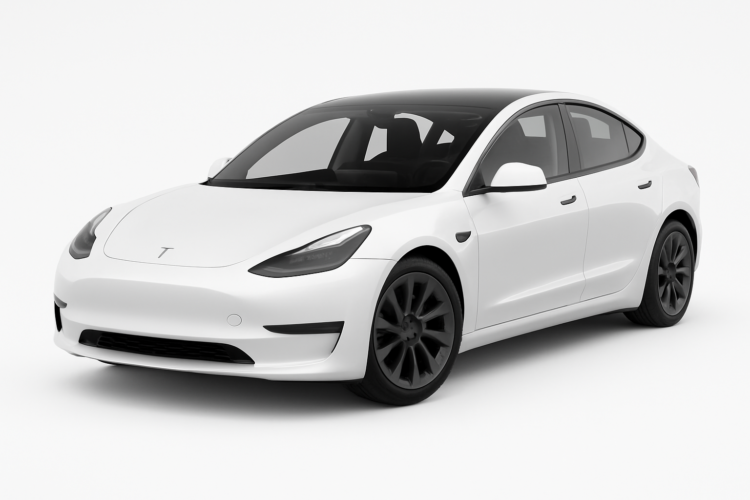
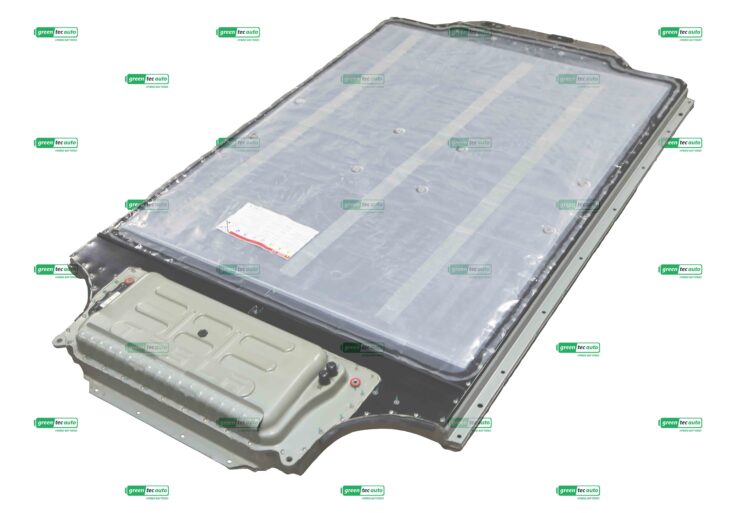
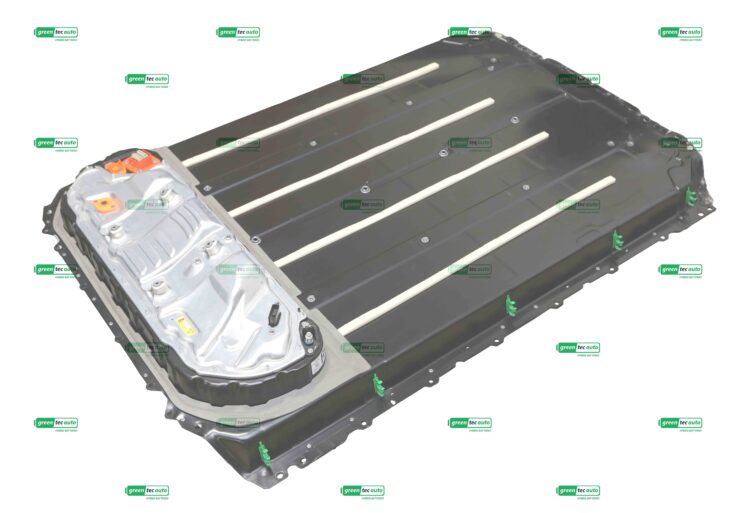
Tesla battery replacement costs $6,999 to $14,500 in 2026 from Greentec Auto. Where you land in that range depends on your model and pack size — Model 3 and Model Y batteries sit at the lower end, while higher-capacity Model S and Model X packs reach the top. Trim matters too: a Standard Range pack costs less than a Long Range or Performance one.Prices also depend on installation complexity, labor rates at Tesla Service Centers versus third-party providers, and whether the battery is new, refurbished, or aftermarket. Tesla Service Centers bill labor by the hour on top of the pack price. Greentec Auto charges one flat installation fee, and every pack includes a 48-month limited mileage warranty. Full Tesla battery replacement pricing by model, capacity and trim is listed below.
| Tesla Model / Years | Battery | Capacity | Approx. Range | Price |
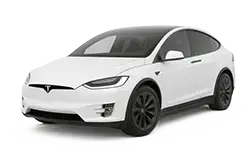
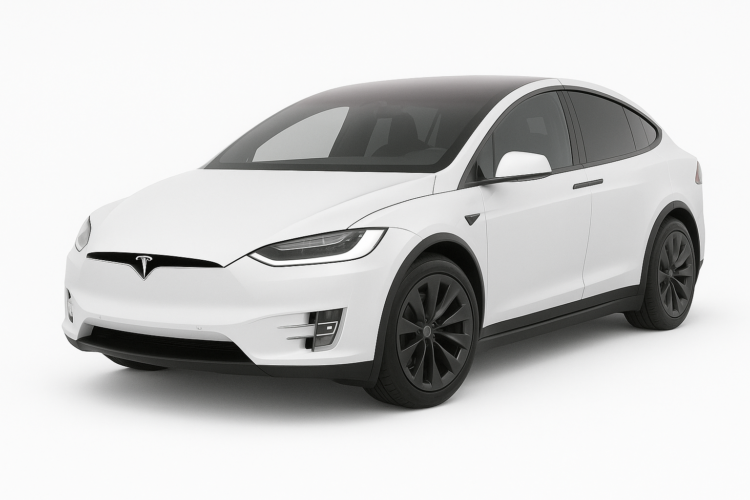
| Tesla Model X | Battery | 100 kWh | ~240 miles | $14,500 |
| Tesla Model X | Battery | 90 kWh | ~210 miles | $11,999 |
| Tesla Model X | Battery | 85 kWh | ~190 miles | $9,999 |
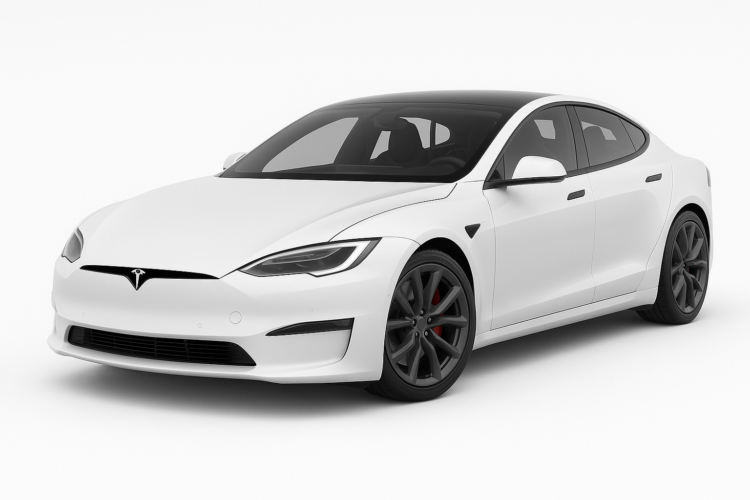
| Tesla Model S | Battery | 100 kWh | ~290 miles | $14,500 |
| Tesla Model S | Battery | 90 kWh | ~240 miles | $11,999 |
| Tesla Model S | Battery | 85 kWh | ~220 miles | $9,999 |
| Tesla Model S | Battery | 75 kWh | ~200 miles | $7,999 |
| Tesla Model S | Battery | 70 kWh | ~190 miles | $6,999 |
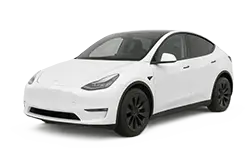
| 2021–2025 Tesla Model Y | Battery | Standard Range | ~220–240 miles | $7,999 |
| 2021–2025 Tesla Model Y | Battery | Long Range | ~300–320 miles | $8,999 |
| 2021–2025 Tesla Model Y | Battery | Performance | ~300–320 miles | $9,999 |
| 2021–2025 Tesla Model 3 | Battery | Mid Range | ~220–240 miles | $7,999 |
| 2021–2025 Tesla Model 3 | Battery | Long Range | ~300–320 miles | $8,999 |
| 2021–2025 Tesla Model 3 | Battery | Performance | ~300–320 miles | $9,999 |
| 2018–2020 Tesla Model 3 | Battery | Mid Range | ~200–240 miles | $7,999 |
| 2018–2020 Tesla Model 3 | Battery | Long Range | ~270–280 miles | $8,999 |
| 2018–2020 Tesla Model 3 | Battery | Performance | ~270–280 miles | $9,999 |
Pricing shown is active at time of publication and may have changed. Every Tesla battery pack includes a 48-month limited mileage warranty. Call 877-383-6437 to confirm current pricing for your vehicle.
New vs. Remanufactured Battery Packs
Tesla typically uses remanufactured battery packs for replacements, especially under warranty. These are rebuilt using salvaged cells from older packs. Contrary to popular belief, Tesla rarely installs brand-new battery packs—they may only do so if a customer pays out of pocket or if no remanufactured unit is available, according to reports and a Facebook post.
Tesla Service Centers charge a premium not just for parts, but also for labor billed hourly. Their average labor rate ranges from $175 to $200 per hour, and battery replacements can take anywhere from 3 to 13 hours, potentially adding $525 to over $2,600 in labor costs alone on top of the battery price.
In contrast, third-party providers like Greentec Auto charge a flat installation fee, making costs more transparent and predictable. Many also offer mobile service and warranties comparable to Tesla’s, often at 30–50% lower overall cost. Regardless of where the work is done, it’s critical that replacement components meet Tesla’s performance and safety standards.
Under normal driving conditions, a Tesla battery typically lasts between 8 to 10 years or approximately 150,000 to 200,000 miles. Over its lifecycle, a battery is designed to retain about 70% to 80% of its initial capacity.
Tesla batteries maintain consistent performance for several years with only gradual capacity loss initially. Over time, factors such as chemical changes and charge-discharge cycles lead to a natural reduction in capacity. Tesla’s battery management and thermal systems help slow degradation, especially if owners avoid frequent full charging and deep discharges.
Degradation is usually observed as a reduced driving range, slower acceleration, and decreased regenerative braking efficiency. Owners might notice longer charging times or receive software alerts if performance drops below set thresholds. Such changes warrant a professional inspection to decide if replacement is needed.
Aggressive driving with rapid acceleration and hard braking can stress battery cells and accelerate degradation. In contrast, gentle driving with gradual acceleration and regenerative braking helps conserve energy and prolongs battery life. Environmental factors such as extreme temperatures also play a role, making consistent, moderate conditions beneficial.
Tesla warranties are designed to cover manufacturing defects and significant performance degradation. Typically, warranties cover up to 8 years or 100,000–150,000 miles and guarantee that the battery retains at least 70% of its capacity.
Most Tesla models come with an 8-year warranty (or mileage equivalent) that ensures the battery retains a minimum of 70% capacity. The warranty covers manufacturing defects and certain performance issues but excludes damage from accidents, misuse, or unauthorized modifications. Detailed guidelines on proper charging and vehicle use are provided to maintain warranty validity.
Owners must schedule a diagnostic assessment at an authorized Tesla Service Center. If tests show battery capacity below 70% due to a defect, the owner can file a warranty claim. The process involves evaluation by Tesla’s technical team and, if approved, repair or replacement is arranged with ongoing updates provided throughout the process.

Using non-authorized repair services may void some parts of the original Tesla warranty if non-standard parts are used. However, many reputable third-party providers adhere strictly to Tesla protocols and offer comparable warranties. Owners should confirm any potential impacts on their warranty before proceeding with third-party services.
Replacing a Tesla battery is a complex process that must be performed by professionals due to the high-voltage components and sophisticated systems involved.
Due to the high-voltage risks and complex electronic integrations, Tesla battery replacement is not a do-it-yourself project. Professional service by authorized centers or qualified third-party providers is essential to ensure safety and maintain warranty coverage.
Technicians must adhere to strict safety protocols, including deactivating high-voltage circuits, using insulated gloves and proper grounding techniques, and following lockout-tagout procedures. Specialized service bays with emergency disconnects and fire suppression systems are used to minimize risks during the replacement process.
Proper maintenance can significantly extend the life of a Tesla battery and help maintain optimal vehicle performance.
It is recommended that Tesla batteries be inspected at least once a year or every 12,000 to 15,000 miles. Regular diagnostic tests, checking voltage stability, thermal performance, and regenerative braking efficiency, help detect early signs of degradation and allow for timely interventions.
Maintaining the battery charge between 20% and 80% for regular use can help reduce stress on cells. Avoiding frequent supercharging and overcharging prevents excessive heat buildup. Scheduled charging during off-peak hours further assists in controlling battery temperature and prolonging battery life.
Extreme heat accelerates battery degradation by increasing cell temperatures, while very cold temperatures can temporarily reduce efficiency. Tesla’s thermal management system helps regulate battery temperature, but parking in shaded or temperature-controlled environments and using pre-conditioning features can further aid in preserving battery health.
Tesla is committed to sustainability, and proper battery recycling and disposal are key to reducing environmental waste. The recycling process recovers valuable materials such as lithium, cobalt, and nickel, which can be reused in new battery production.
Tesla’s recycling program is focused on responsibly dismantling end-of-life battery packs, recovering valuable raw materials like lithium, cobalt, and nickel, and sending them back into the supply chain. Tesla works with certified recycling partners to ensure materials are processed in an environmentally responsible way, contributing to a more circular battery economy.
Greentec Recycling, on the other hand, takes a more hands-on and modular approach especially when it comes to Tesla battery packs. When a Tesla battery comes through our doors, our team first evaluates each individual component. Modules that still perform well are reused in professionally remanufactured battery packs, restoring function and value.
But for modules that don’t meet performance standards, the process doesn’t stop there. These components are passed on to Greentec Energy, where they’re given a second life used in applications like home energy storage systems and EV conversions. This second-use strategy not only reduces waste but also supports the growing demand for sustainable energy solutions.
With 35 Greentec Recycling drop-off locations across the U.S., we make it easy for auto recyclers, repair shops, and individuals to recycle hybrid and EV batteries in a way that’s eco-conscious, efficient, and built for reuse—not just disposal.
Proper recycling reduces the need for new raw materials, lowers greenhouse gas emissions, and prevents toxic chemicals from contaminating the environment. This not only supports a sustainable automotive industry but also helps conserve natural resources.
Third-party providers like Greentec Auto offer key advantages over Tesla Service Centers starting with lower cost. Our battery replacements are typically 30–50% less expensive, with flat-rate pricing and no hourly labor fees.
We also offer faster turnaround times, with 35 locations nationwide and a large in-stock battery inventory. Whether you’re upgrading to a 100 kWh Performance pack, sticking with a 75, 85, or 90 kWh, or even downgrading, we provide flexible options for Standard Range, Long Range, and Performance models all backed by a 4-year / 48,000-mile warranty.
Tesla battery replacement involves a detailed process covering cost assessments, battery lifespan evaluation, warranty terms, professional replacement procedures, routine maintenance, and environmentally responsible recycling. By understanding these aspects, owners can make informed decisions to maximize vehicle performance and extend battery life. Staying proactive with maintenance and considering reliable third-party services are essential steps toward ensuring a sustainable and efficient electric vehicle experience.
If you notice warning lights on your dashboard, don’t rush to the dealership for an expensive diagnostic report. Many local auto parts stores can scan your vehicle and provide error codes for free just ask them to run a quick scan with a diagnostic tool.
Above, we’ve listed some of the most common hybrid error codes. Keep in mind that the check engine light must be onfor major issues to be detected. If your vehicle is experiencing hybrid battery failure, dealerships often charge thousands of dollars for a replacement typically with a limited warranty.
At Greentec Auto, we offer a cost-effective alternative, providing high-quality hybrid battery replacements at a fraction of the price. Plus, we back our batteries with a comprehensive warranty to give you peace of mind.
*Offer cannot be combined with other promotions.
We use cookies and similar technologies to operate the website, understand how it is used, and support advertising. Optional analytics and marketing technologies will not be activated unless you give your consent. You can accept all, reject non-essential technologies, or manage your preferences. You can change your choices at any time.
Global Privacy Control has been detected. Advertising sale/share choices are disabled where configured.